

OpenAI and Stripe introduced a new standard called the Agent Commerce Protocol (ACP). The goal of ACP is to enable users to complete the entire purchasing journey—from product discovery to checkout—directly inside ChatGPT, while allowing merchants to continue using their existing commerce and payment infrastructure.
Instead of manipulating web pages, the AI agent interprets the user’s intent from conversation and delegates the checkout process to structured API calls. In other words, the conversational interface becomes a gateway that allows an AI agent to execute checkout workflows programmatically.
This architecture allows users to discover and purchase products entirely within ChatGPT. Merchants can register their product catalog with OpenAI or provide it through structured feeds.
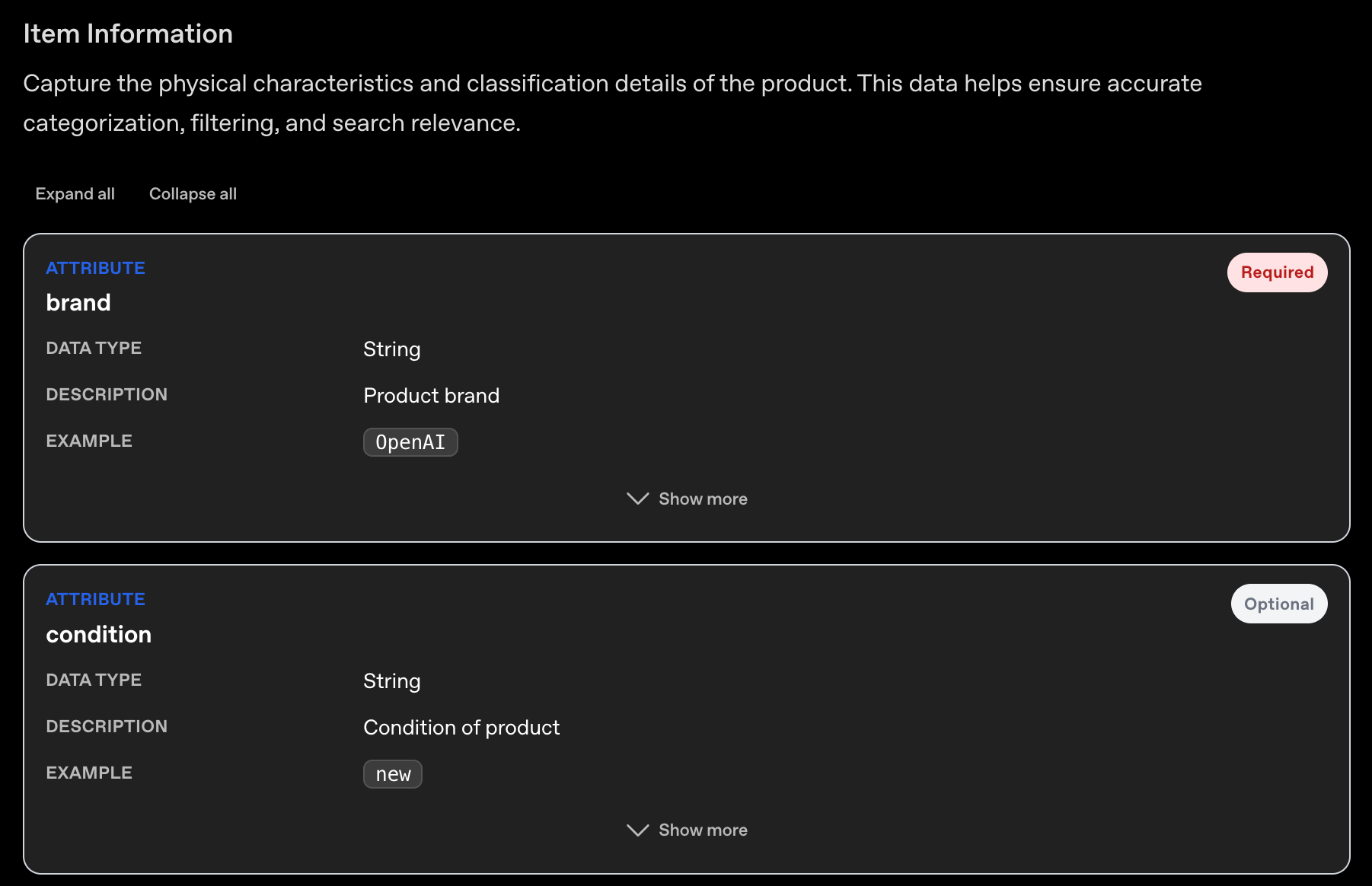
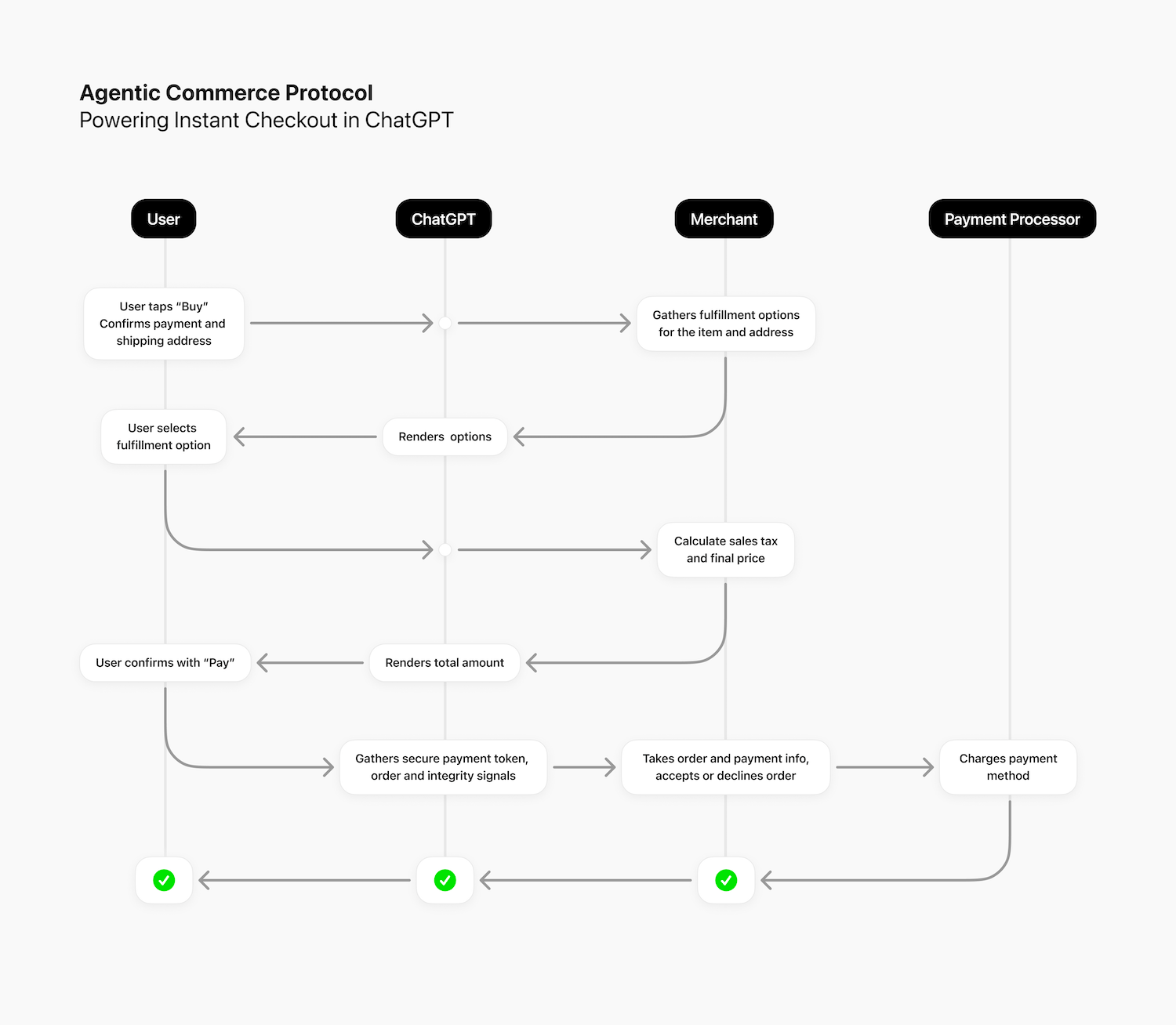
ChatGPT uses this information to present items to users and, when a user decides to purchase, calls the checkout endpoints defined by the ACP specification. The merchant’s backend then manages the order lifecycle using its existing commerce stack.
I downloaded this image from the link.
Payments remain within the merchant’s existing infrastructure. Rather than processing payments directly, OpenAI acts as a protocol layer connecting the user, merchant, and payment service provider (PSP). In the current implementation, Stripe provides the first Delegated Payment-compatible solution through its Shared Payment Token, which allows merchants to complete transactions using their existing authorization and capture flows.
The ACP specification itself is maintained in a public GitHub repository. The core API interfaces are defined using OpenAPI, enabling both machines and developers to understand the communication contract between ChatGPT and merchant systems. The repository also includes validation scripts that verify whether implementations conform to the specification, helping ensure consistency and reliability across integrations.
Changes to the protocol are governed through SEP (Specification Enhancement Proposal) documents. SEP is a proposal process used in the Model Context Protocol ecosystem to suggest and review modifications to the specification. Through SEP, ACP evolves as a living standard rather than remaining a static specification.
Looking through the repository, it is reassuring to see that multiple mechanisms exist to maintain the accuracy and consistency of the specification. For example, validation scripts help verify that the spec documents adhere to the expected structure and constraints.
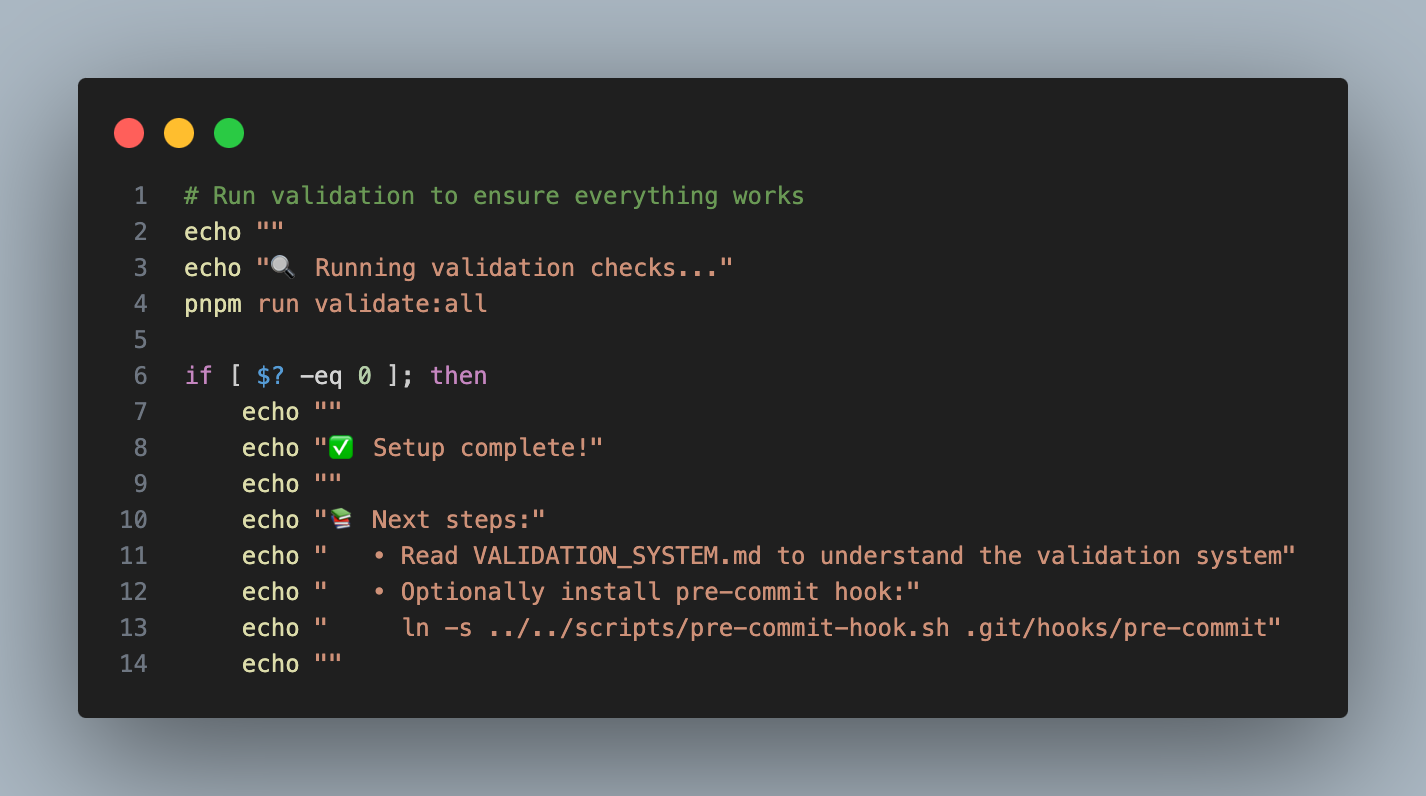
These safeguards play an important role in ensuring that the protocol evolves in a reliable way. However, one challenge still remains. While OpenAPI specifications are extremely effective for machines to interpret and process, they are often difficult for human developers to read and understand intuitively.
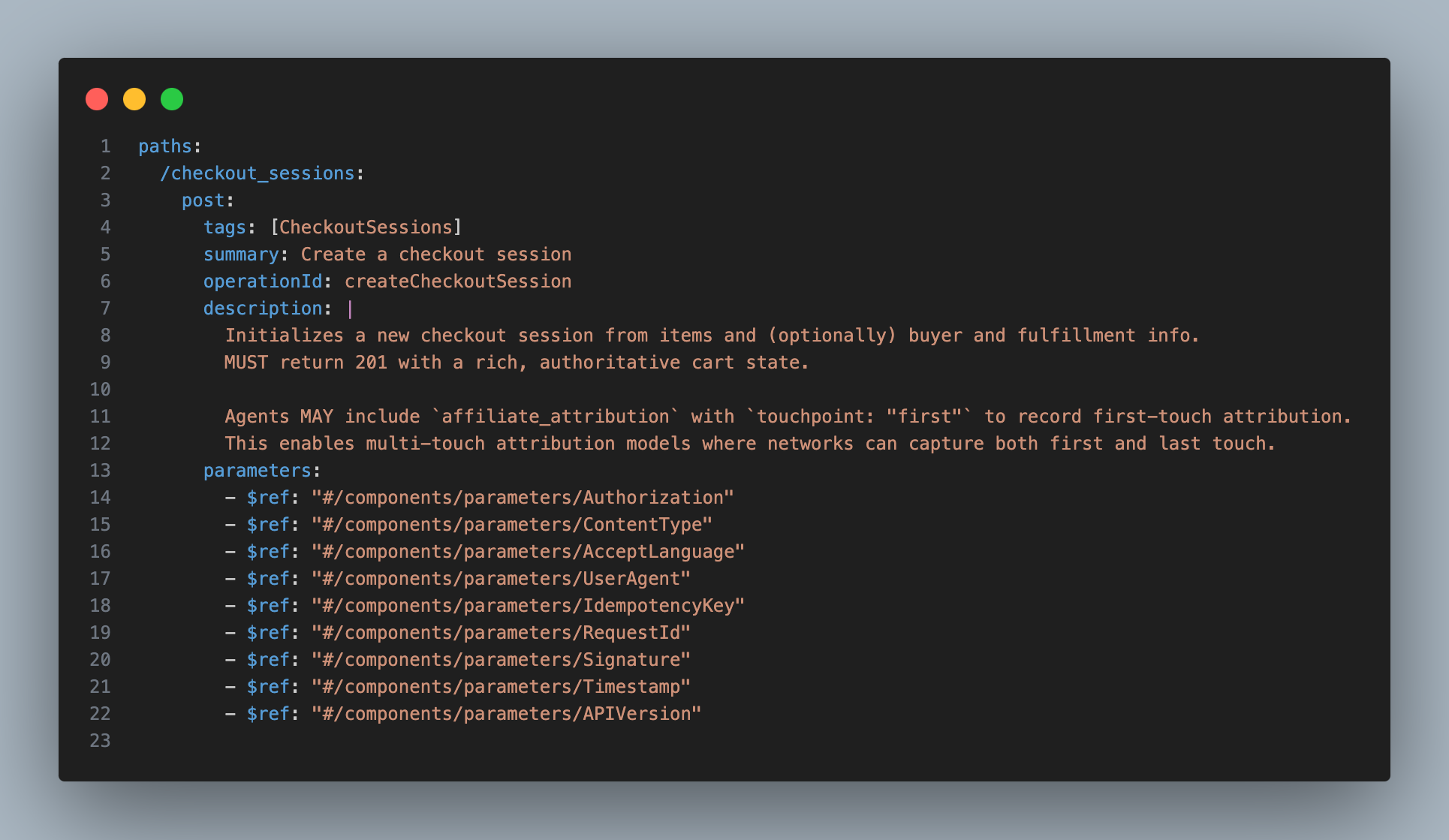
As AI agents become more capable and autonomous, it will be interesting to see whether new forms of interface definition emerge that balance machine readability with human usability.