

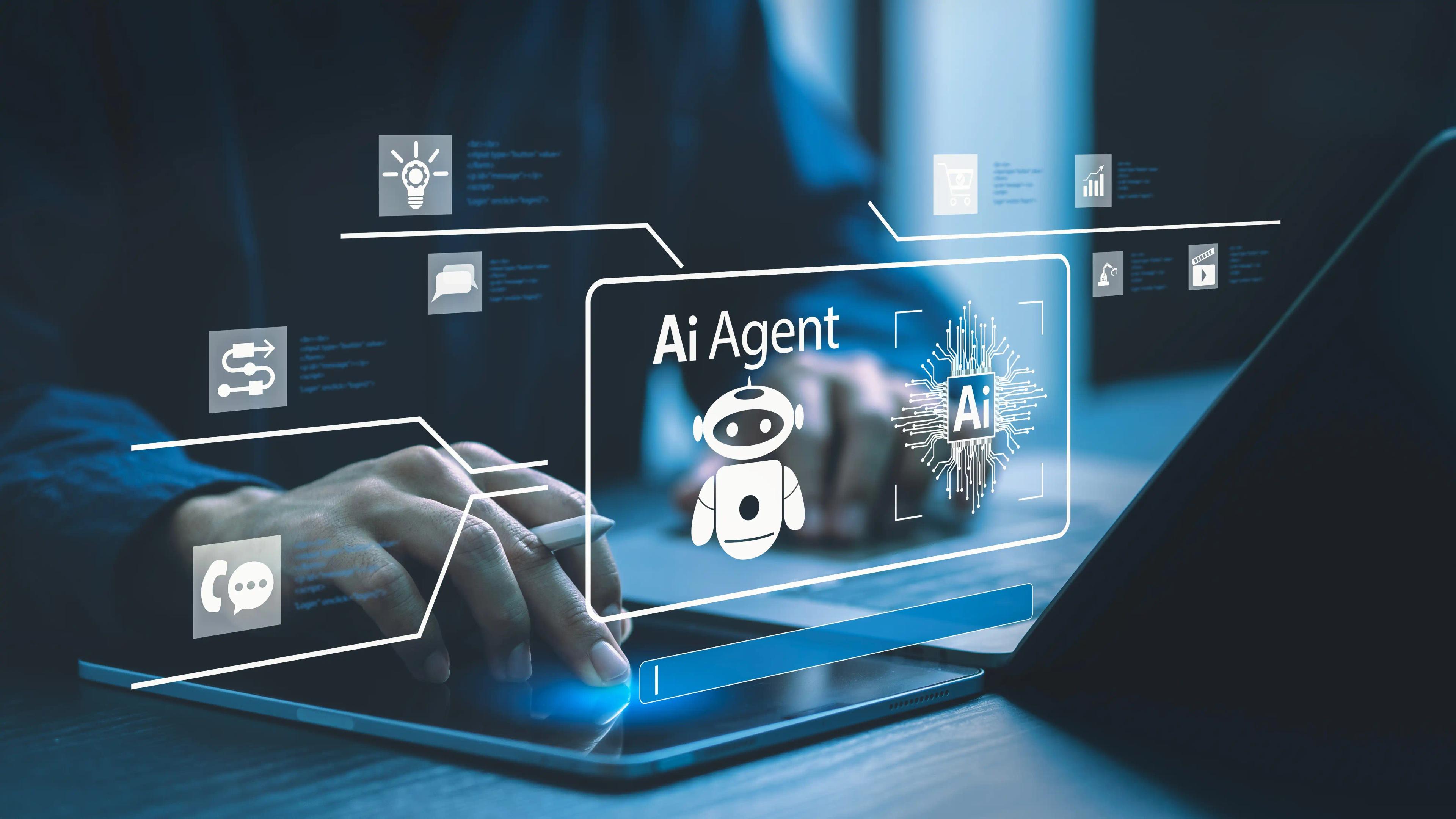
A New Software Paradigm: AI Agents
AI Agents represent a new autonomous software paradigm emerging at a pivotal turning point in artificial intelligence. Unlike earlier language models that simply generated text, AI Agents can interpret goals, plan the necessary steps, leverage tools, and execute actions autonomously. In the past, models operated only when humans issued explicit commands. Now, once a goal is given, the agent analyzes the situation, determines the next actions, and progresses toward the objective through multiple iterative steps. This shift significantly expands the role software can play and is leading to an entirely new development paradigm.
Four core components work closely together at the foundation of an AI Agent. The model functions as the agent’s “brain,” enabling reasoning and decision-making. Tools allow the agent to interact with the external world. The orchestration layer designs the overall workflow, maintains memory, and supports strategic control. Finally, the deployment environment ensures that the agent operates reliably as a real-world service. This architecture marks a departure from traditional development approaches in which developers explicitly defined every process step, and instead creates a stage where agents can reason and act on their own.
Long-Standing Challenges and New Opportunities in Technical Documentation
The AI Agent paradigm raises important questions for the world of technical documentation. Technical documents are often the first point of contact developers and builders have when trying to understand and apply a product. Good documentation helps users quickly grasp product fundamentals, naturally acquire the technical knowledge they need, and rely on a consistent reference point when solving problems. For this reason, documentation is one of the most critical assets shaping developer experience (DX).
In reality, however, most documentation is written not by professional technical writers but by developers or product managers. Developers have deep knowledge of code-level details, yet may lack awareness of where users actually struggle. PMs, on the other hand, understand product value and user journeys well, but often find it difficult to fully explain APIs or internal logic. Documentation must balance the worlds of code and user experience — a balance that is rarely easy to achieve. As a result, many documents either fail to provide sufficient context or remain overly detailed without clearly showing how the information should be applied in real-world situations. This has long remained a structural challenge within the documentation ecosystem.
The First Wave of AI-Agent-Driven Documentation: ReadMe and Mintlify
To address these challenges, modern documentation platforms are increasingly adopting AI Agents. ReadMe and Mintlify are leading examples, using agents to improve documentation workflows and operational efficiency.
ReadMe integrates an AI Agent directly into its documentation editor, enhancing the writing and editing experience.
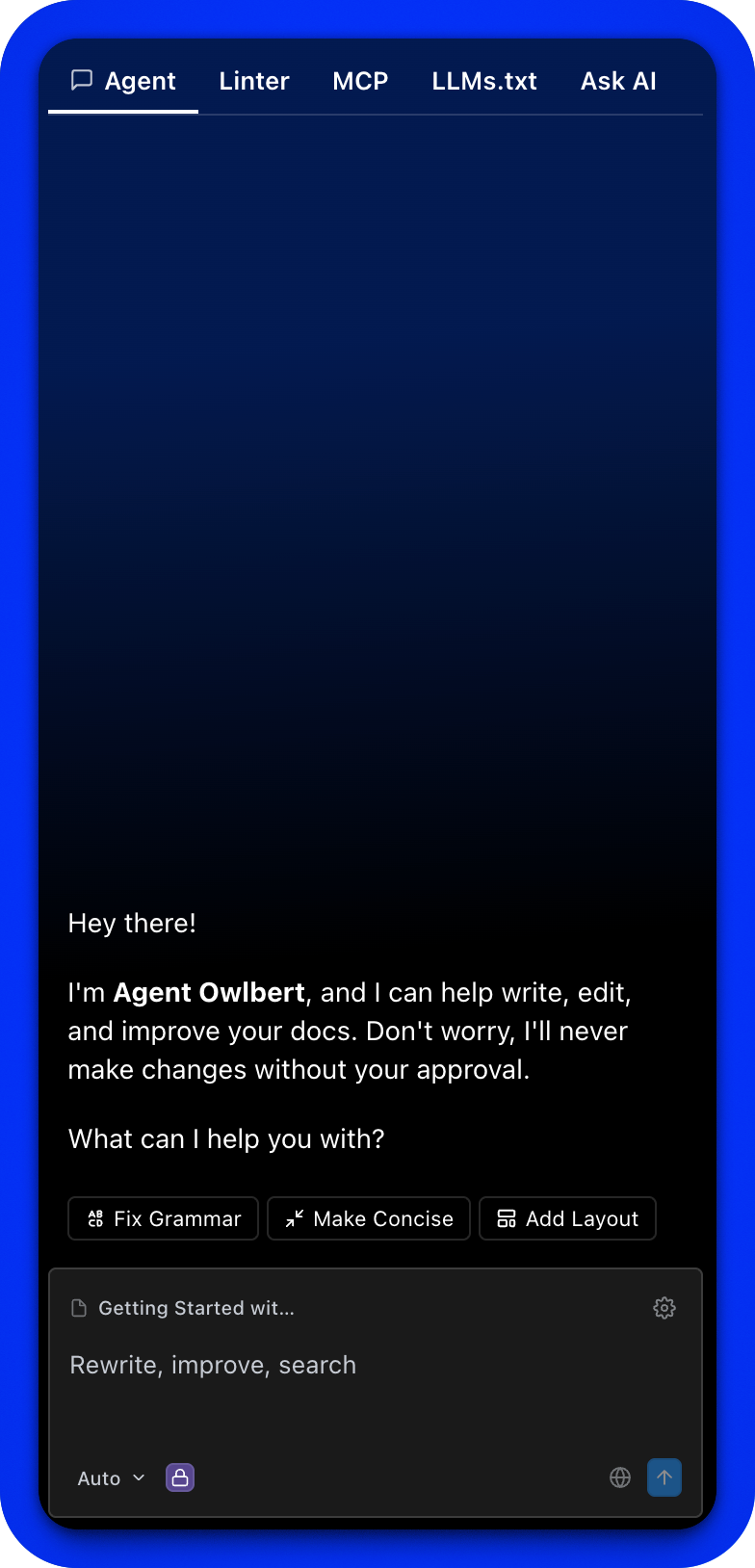
The agent suggests MDX-based components, refines sentences, performs translation and grammar review, and can even generate draft content that includes research and analysis. It can leverage both internal data and external web sources to expand documentation content. However, ReadMe’s agent operates primarily within the editing interface and does not yet restructure documentation based on real user behavior, feedback patterns, or interaction signals.
Mintlify offers an agent that is even more deeply embedded into operational workflows. Teams can request documentation updates directly from Slack, and when new feature-related pull requests are created in GitHub, the documentation repository can automatically synchronize with product changes.
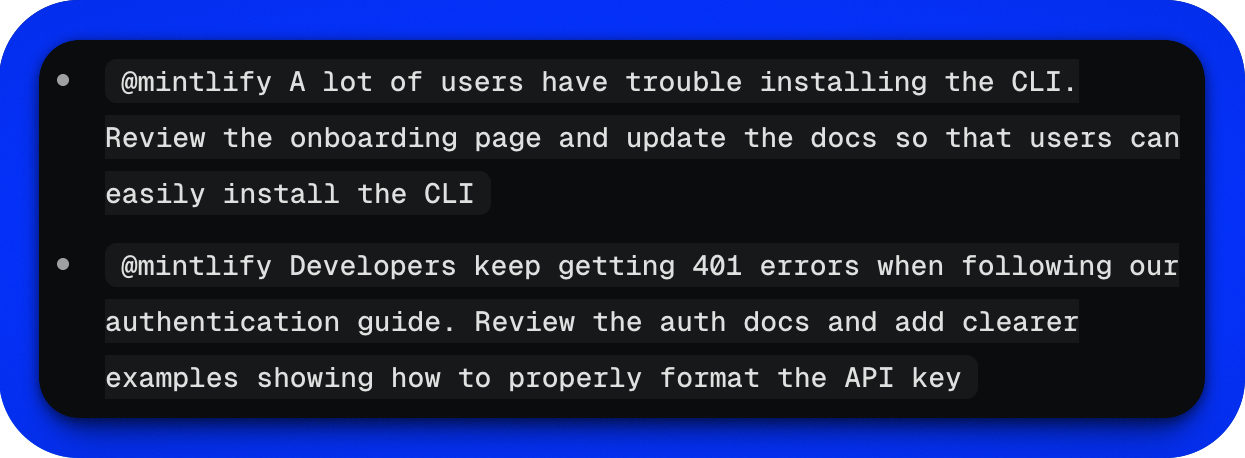
It can automatically generate or update documentation around specific PRs, helping teams maintain alignment between fast-moving product releases and their documentation.
However, Mintlify remains largely focused on productivity and automation. It does not yet redesign documentation structures based on user inquiries, product usage signals, or search patterns.

As a result, both platforms are excellent documentation tools — but still fall short of creating a truly “living document” that evolves around real user experience and feedback.
Zylo AI: Defining a New Standard for Documentation Agents
Zylo AI goes beyond traditional documentation-assist tools by combining product interface data, product design intent, and real customer inquiry history into a unified knowledge system.
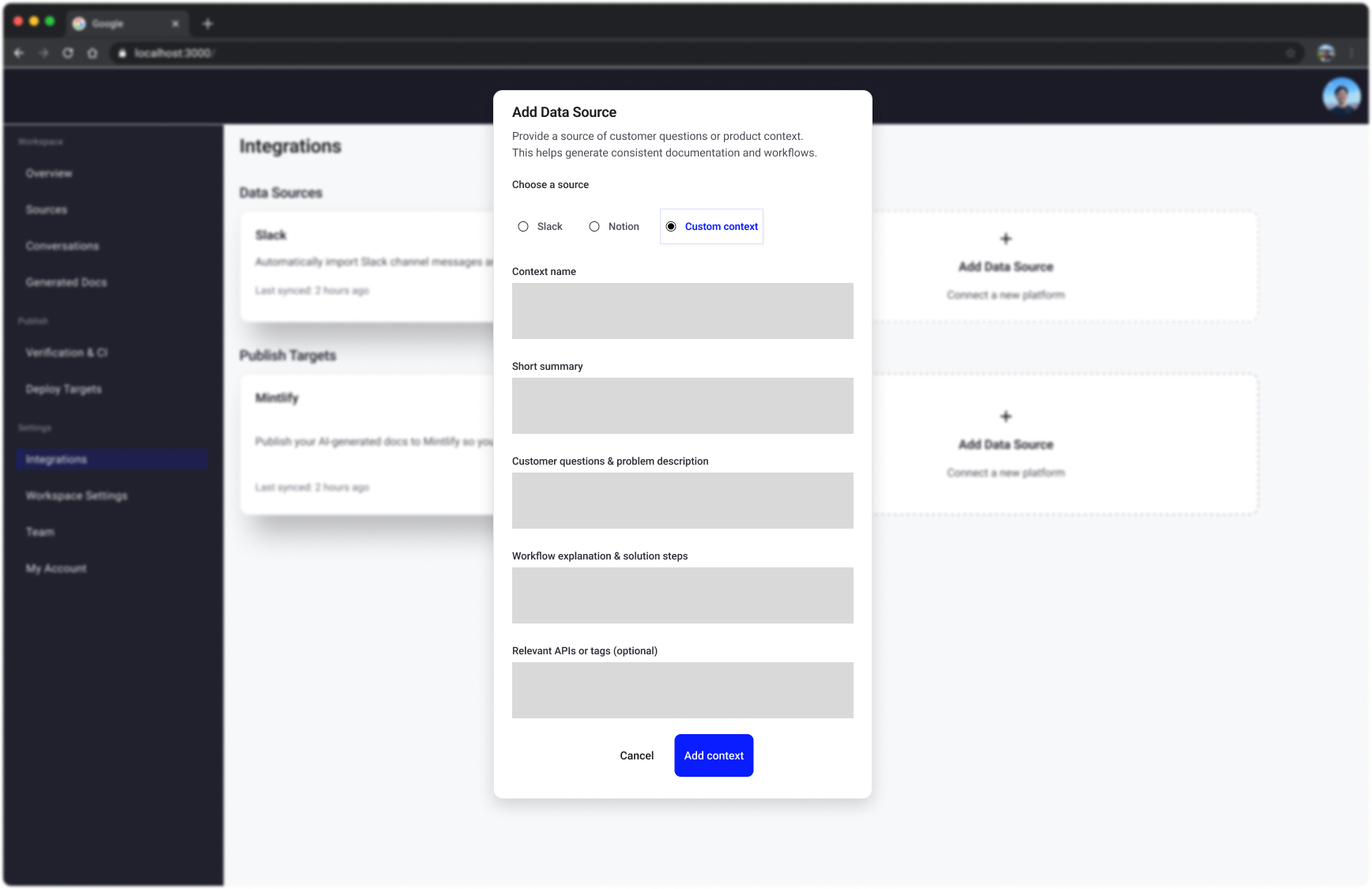
Unlike earlier approaches, Zylo AI builds its knowledge base from both product source code and customer support data. By combining these two perspectives, the agent doesn’t just summarize or refine documentation — it can autonomously construct workflow-driven tutorials and guides that match what users actually experience. It can walk users through an entire implementation journey: which screens they will encounter, which APIs must be called, how data flows across components, and what potential errors may occur along the way.
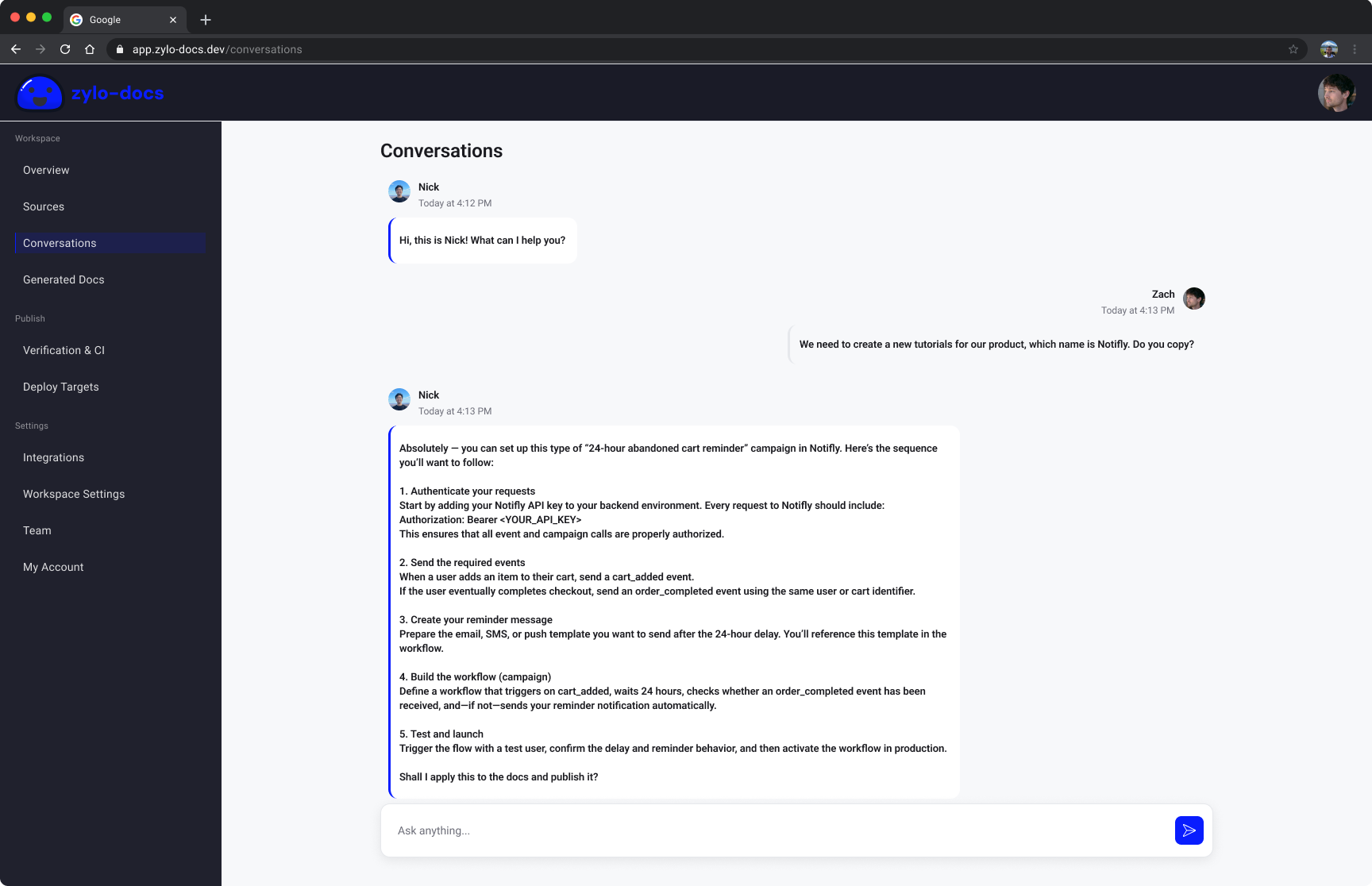
Zylo AI can also embed screenshots of web or mobile console interfaces directly into documentation, allowing users to follow guidance alongside the actual product UI. This transforms documentation from static text into a “living onboarding package” that is tightly integrated with the real product experience.
Zylo AI is setting a new standard for documentation operations. While ReadMe and Mintlify have successfully accelerated the automation of documentation editing, Zylo moves beyond that — introducing a new paradigm centered on agents that truly understand user experience and restructure documentation around it.
If you are considering adopting Zylo AI, click the link below to learn more.
Technical documentation is no longer just a static resource. It is evolving into a living system that connects products, users, and team expertise.